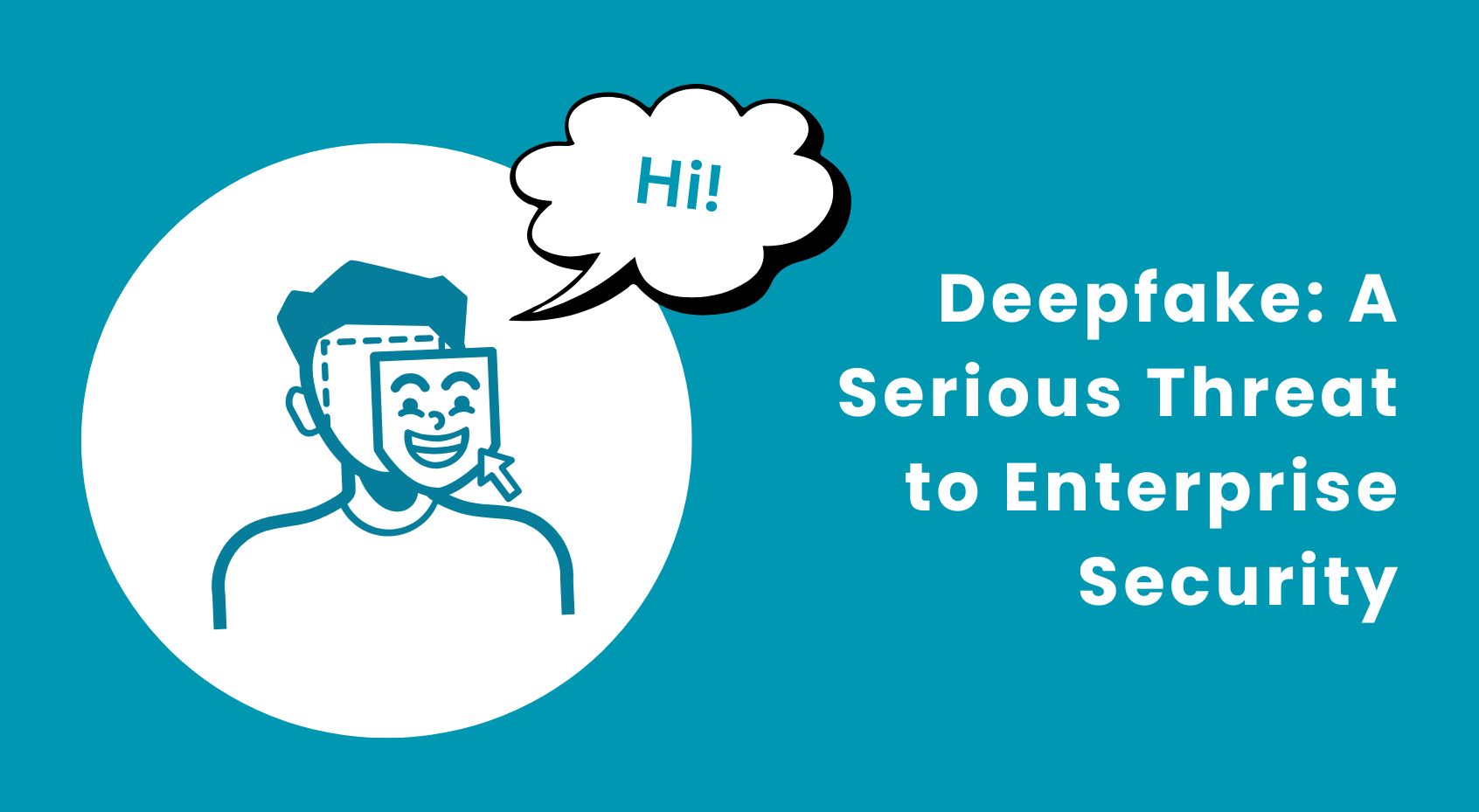
How Deepfakes and Synthetic Data Weaponize Against Enterprises
Let’s start with a rather amusing incident from 2025. A cyberscammer, posing as the Hollywood heartthrob Brad Pitt, used Deepfake hospital bedridden photos and emotionally charged messages to scam Anne, a French interior designer based in San Diego, extorting $850,000 for his purported Kidney treatment.
This alarming incident not only highlights one woman’s financial and emotional plight but also raises broader financial and ethical risks that Deepfakes can pose to renowned personalities, enterprises, and multinational brands.
In another incident that took place in 2024. A finance employee at a multinational firm in Hong Kong fell victim to a deepfake attack, resulting in the company losing $25 million during a single deepfake video conference.
Cybercriminals today manufacture reality itself, fake voices, fake faces, fake documents, and fake data, and use it to deceive, defraud, and destroy enterprises from the inside out, without ever cracking passwords or exploiting software vulnerabilities.
Generative AI has become the most dangerous new attack vector in enterprise cybersecurity, and here we will learn which weapons threat actors are deploying and what organizations must do right now to prevent and fight back.
A. What Makes Generative AI a Formidable Cyberthreat Vector?
Generative AI (Gen AI) that generates convincing deepfakes is an advanced machine learning model that creates authentic-looking images, videos, signatures, and even convincing-looking data, accessible through subscription-based apps like Midjourney, Dall-E, and LLMs.
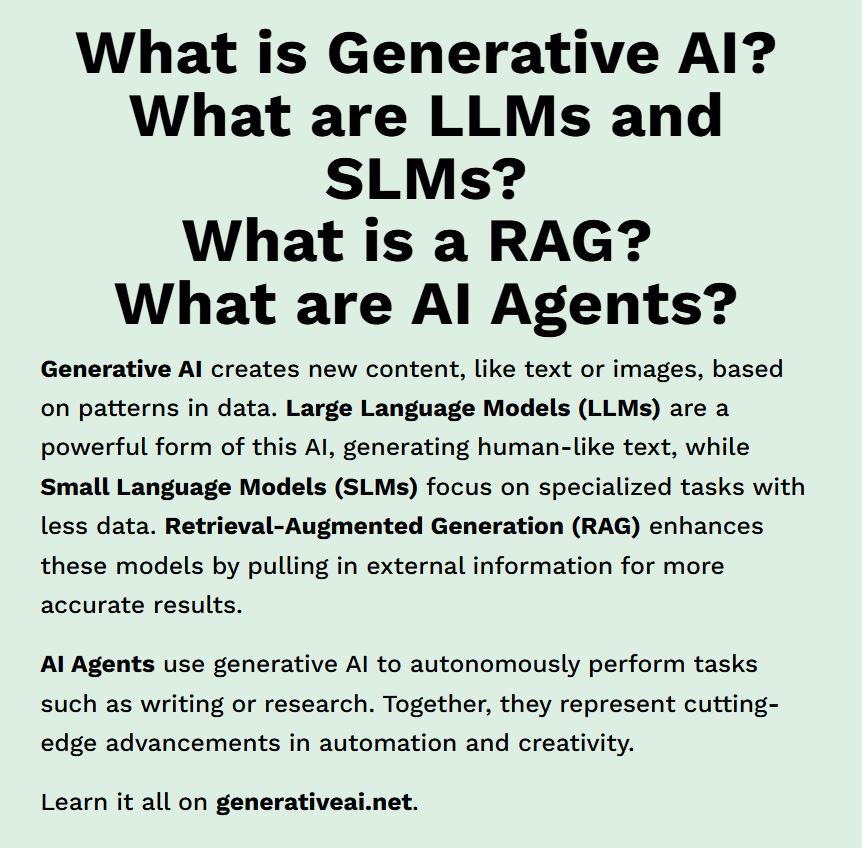
Imagine a low-skilled attacker with basic knowledge of how to create deepfakes can do so by paying a $20/month subscription fee.
This is where it may become a formidable threat to society.
- Attackers can clone a human voice from a 10-second audio sample
- Generate a photorealistic fake video of any executive
- Write thousands of personalized phishing emails in seconds
- Create entirely synthetic employee identities to infiltrate hiring pipelines
The threat is no longer theoretical. It is active, evolving, and hitting enterprises across every sector.
B. The Modus Operandi of Deepfake Threat
Enterprise-level cybercrimes associated with Deepfakes represent the most visible and psychologically damaging form of AI-powered attack, causing losses in the billions each year.
Let’s take a look at a few real-life examples.
1. Executive Impersonation
Attackers use publicly available video footage from earnings calls, conference presentations, and LinkedIn videos to train models that replicate a senior executive's face, voice, and mannerisms.
They then deploy these fakes in targeted attacks, where a "CFO" authorizes urgent wire transfers or synthetic voicemails instructing employees to bypass verification processes.
The Hong Kong case was not an isolated incident. The FBI issued a formal warning in 2024 that Deepfake audio and video attacks were increasing sharply against corporate finance and HR departments.
2. Reputational Weaponization
Deepfakes also serve as tools for corporate sabotage.
Competitors, disgruntled insiders, or nation-state actors can create fake videos showing an executive making racist remarks, admitting to fraud, or announcing false financial results.
Even after debunking, the reputational damage lingers. Markets react before the truth catches up.
3. Synthetic Identity Fraud in Hiring
Remote work opened a new frontier for Deepfake attacks: fake job applicants.
The FBI has confirmed a rise in cases in which fraudulent candidates use AI-generated video, synthetic identities, and stolen personal information to get hired by technology companies and government contractors, specifically to steal data and plant insider threats.
C. Synthetic Data Attacks: A New Weapon Against Robust Cybersecurity
Beyond deepfakes, attackers now weaponize synthetic data against enterprise systems in sophisticated and hard-to-detect ways.
Synthetic data are artificially generated datasets that mimic real information and are often used to train machine learning systems.
Attackers can generate realistic-looking fake datasets to mislead models or deceive checkpoints.
AI Model Poisoning
Enterprises increasingly rely on AI models trained on data to make business decisions, including credit scoring, fraud detection, medical diagnosis, hiring, and inventory management.
Attackers inject synthetic data into training pipelines, corrupting the model's behavior – a technique called data poisoning.

The damage happens silently, long before anyone notices, slowly steering AI systems toward the attacker’s goals without easy detection.
D. Synthetic Phishing at Industrial Scale
Legacy phishing attacks were easy to spot, such as poor grammar, generic greetings, and suspicious links. Generative AI eliminates every one of these tells.
Modern AI-powered phishing campaigns now produce:
- Hyper-personalized emails that reference real colleagues, real projects, and real internal terminology scraped from LinkedIn and public sources
- Synthetic documents (fake invoices, contracts, or HR letters) that look identical to authentic company templates
- Fake internal memos that impersonate IT, HR, or legal departments
Example: A Targeted Phishing Campaign
Imagine an employee receives an email:
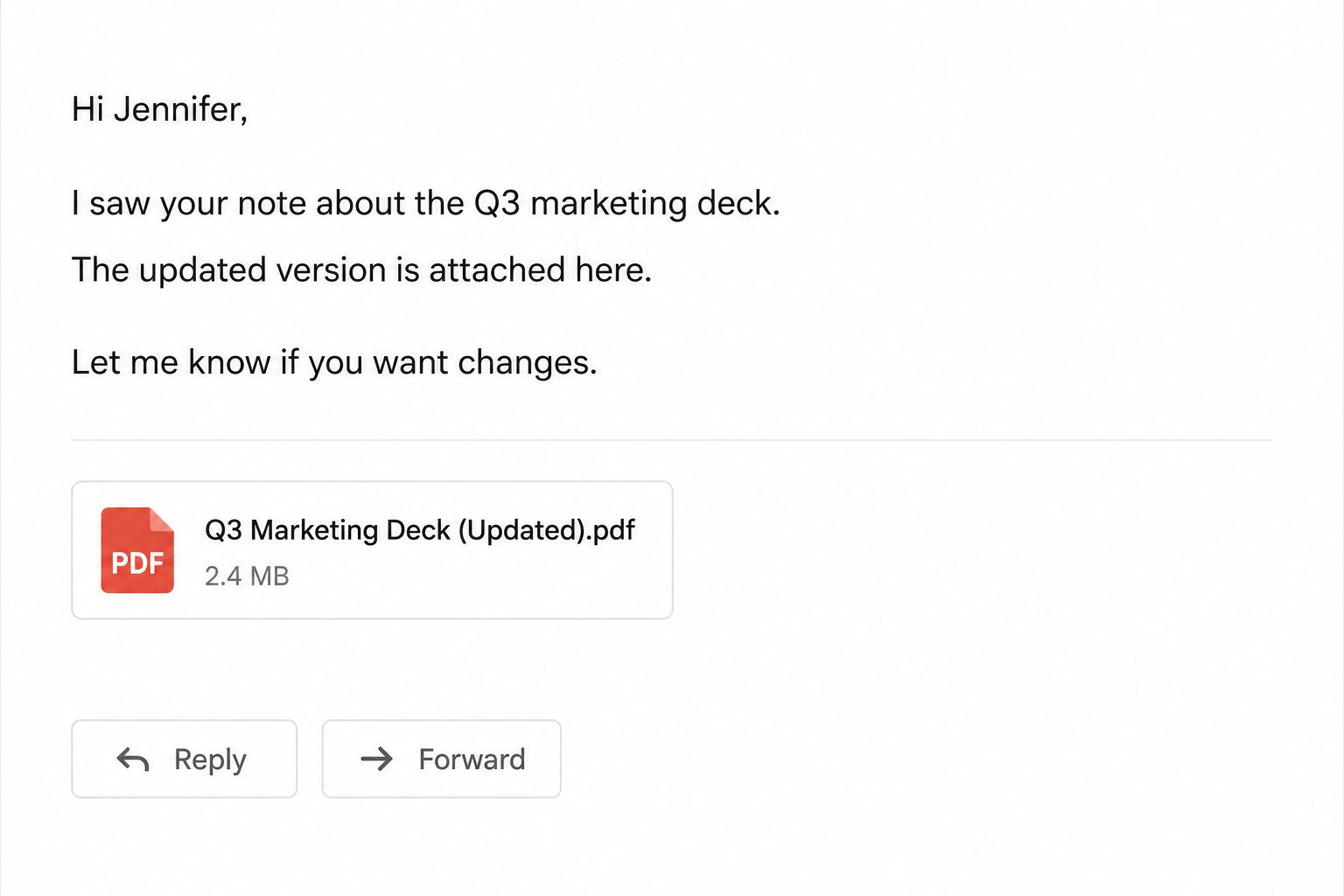
With AI, attackers can generate and send tens of thousands of these tailored messages in the time it once took to write one.
Plus, according to recent threat reports, phishing remains one of the top vectors for breaches. Click rates for AI-personalized phishing emails are dramatically higher than for traditional campaigns.
The Business Email Compromise 2.0
Business Email Compromise (BEC) was already the most financially damaging cybercrime category before generative AI.
The FBI's Internet Crime Complaint Center reported over $2.9 billion in losses from BEC in 2023 alone.
Generative AI has supercharged this threat into something security professionals now call BEC 2.0.
Classic BEC relied on compromised email accounts or lookalike domains. BEC 2.0 layers in:
- Voice cloning to confirm fraudulent wire transfers over the phone
- Deepfake video for authentication in remote verification processes
- AI-written email threads that perfectly mimic the writing style of compromised executives
- Synthetic document packages — fake invoices, purchase orders, and tax forms — that complete the deception end-to-end
Security teams trained to spot "suspicious" emails are now facing attacks that read as completely normal, because generative AI has studied what normal looks like.
E. The Insider Threat Amplified
Generative AI does not just help external attackers. It also amplifies the insider threat, and it creates a new category of synthetic insider.
1. Malicious Employees with AI Tools
A disgruntled employee who once might have stolen data they could access is now a more powerful threat.
With generative AI, they can fabricate internal communications, create false records to cover their tracks, or generate synthetic data to mask theft.
2. Synthetic Ghost Employees
In what security researchers call ghost employee fraud, attackers create entirely synthetic identities, complete with AI-generated photos, fake employment histories, synthetic references, and even AI-voiced interview responses, and insert them into an organization's HR and payroll systems.
These ghost employees draw salaries, access sensitive systems, and infiltrate data indefinitely.
F. Industries at Highest Risk
While every enterprise faces AI-powered threats, several sectors are disproportionately targeted:
| Industry | Risk Level | Main Threats |
|---|---|---|
| Financial Services | Highest | Wire fraud, Synthetic identity lending fraud, Model poisoning of risk systems |
| Healthcare | Very High | Synthetic patient records, Fabricated clinical trial data, Deepfake doctor impersonation |
| Technology & Defense Contractors | Very High | Deepfake hiring attacks, Synthetic identity infiltration |
| Media & Publishing | High | Fabricated executive statements, Synthetic news content |
| Legal & Professional Services | High | Fabricated legal documents, Synthetic evidence manipulation |
G. How Enterprises Must Defend Against AI-Powered Threats
Understanding the threat is only the first step. Defense requires rethinking assumptions about trust, verification, and technology.
1. Adopt Zero-Trust for Human Identity
The old assumption that a call from a known voice or a face on a video call proves identity is dead. Enterprises must implement out-of-band verification for any request involving financial transactions, data access, or system changes.
If you receive a video call from your CFO asking for a wire transfer, no exceptions.
2. Deploy AI Detection Tools
A growing ecosystem of deepfake detection tools now analyzes video, audio, and images for signs of AI generation. These tools examine facial micro-movements, blinking patterns, audio spectral anomalies, and compression artifacts that synthetic media often produces.
While not perfect, layering ML-based security tools into the daily workflow adds a meaningful barrier.
Vendors, including Microsoft, Intel (FakeCatcher), and several specialized startups, offer enterprise-grade detection capabilities.
3. Watermark and Authenticate Internal Content
Enterprises should implement digital content provenance standards, i.e., embedding cryptographic watermarks into authentic internal documents, videos, and communications.
The Coalition for Content Provenance and Authenticity (C2PA) standard, backed by Adobe, Microsoft, Google, and others, enables content to carry verifiable metadata confirming its origin.
When employees receive content tagged with authentic provenance, and something arrives without that tag, it becomes an automatic red flag.
4. Harden AI Training Pipelines
For enterprises that use AI models in decision-making, protecting the training data pipeline is critical.
It means:
- Auditing data sources before ingestion
- Implementing anomaly detection to flag unusual patterns in training data
- Segmenting access to training pipelines
- Regularly testing models for behavioral drift that could indicate poisoning
5. Run Deepfake-Specific Security Awareness Training
Employees need to understand that their eyes and ears are no longer reliable tools for verification.
Security awareness training must explicitly cover deepfake and synthetic voice attacks, with realistic simulation exercises that help employees practice healthy skepticism.
It is not about creating paranoia. It's about building habits such as verifying high-stakes requests through a second channel, regardless of how authentic the request appears.
6. Establish AI Use Policies and Red Teams
Enterprises must assume that attackers are already using generative AI against them.
The best way to stay ahead is to use the same tools offensively, legally, and ethically in red-team exercises designed to test whether your defenses can withstand AI-powered social engineering, synthetic document fraud, and deepfake impersonation.
Building a formal AI threat-modeling practice integrated with your security operations center is rapidly becoming a competitive necessity.
H. How the Regulatory Landscape Is Catching Up
Governments and regulators are beginning to respond. The EU AI Act, which came into full effect in 2025, mandates transparency labeling for AI-generated content in several high-risk categories.
In the United States, CISA has published guidance on synthetic media threats, and the SEC has signaled heightened scrutiny of AI-generated financial disclosures.
Enterprises that stay ahead of these regulations by implementing content authentication, audit trails, and synthetic media policies now will face far less friction as compliance mandates tighten.
The Uncomfortable Truth Leaders Should Know Now
Generative AI isn’t going away. It will only become more accessible and more powerful as technology advances and AI systems evolve further.
No firewall stops a finance employee who genuinely believes they are talking to the CFO. No endpoint detection catches an HR manager who hires someone who appears to be perfectly credentialed.

Security strategy must evolve as fast as the threat landscape.
Only the enterprises that rebuild their trust architectures accordingly will survive the next wave of attacks. Those who treat this as just another phishing problem will not.
Conclusion
Generative AI attacks are happening now, and each one is getting cheaper, faster, and harder to detect.
Those who wait for a $25 million wire transfer to disappear will learn the lesson far more painfully.
Stay with us for similar info and news on tech trends and industry news.
Related Post
RECOMMENDED POSTS

RECOMMENDED TOPICS
TAGS
- artificial intelligence
- agentic ai
- ai
- machine learning
- deepseek
- data science
- llm
- growth engineering
- ai/ml
- saas
- chatgpt
- ai development
- gpt
- openai
- application
- cloud storage
- api based architecture
- modular saas
- mobile development
- scalable architecture
- software engineering
- enterprise security
- aws
- api
- social influencers
- social media marketing
- social media
- cloud optimization
- gcp
- deep learning
- python
- user experience
- app development
- user interface
- data analysis
- data pipeline
- generative ai
- deepfake
- cybersecurity
- bot
- offshoring
- outsourcing
- captive center
- blockchain
- data security
- modern medicine
- climate change
- llm models
- leadership
- it development
- empathy
- static data
- dynamic data
- ai model
- open source
- xai
- qwenlm
- bpa
- automation
- healthcare
- cloud management
- growth hacks
- data roles
- data analyst
- data scientist
- data engineer
- data visualization
- productivity
- database management
- sql query
- data isolation
- db expert
- database optimize
- customer expectation
- sales growth
- test
- artificial intelligene
ABOUT
Stay ahead in the world of technology with Iowa4Tech.com! Explore the latest trends in AI, software development, cybersecurity, and emerging tech, along with expert insights and industry updates.
Comments(0)
Leave a Reply
Your email address will not be published. Required fields are marked *